
Designing for Comfort: How Modern Architecture Enhances Senior Living Lifestyle
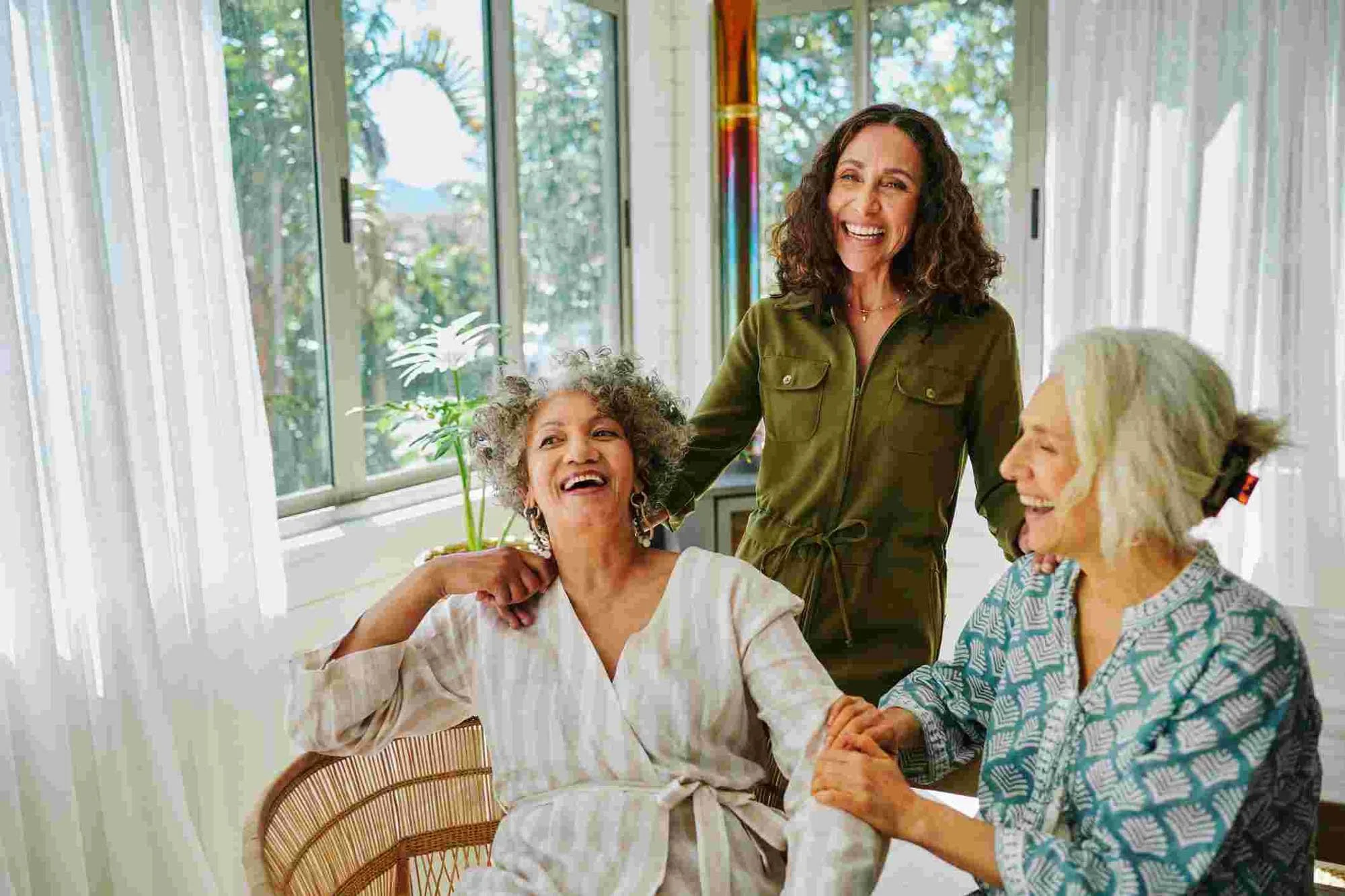
Every era changes the way societies think about retirement living. While generic institutional settings once defined the standard, those expectations have certainly shifted with seniors today looking to maintain their independence and continue to experience a vibrant social life. And since a home’s surroundings have a big influence on quality of life, well-designed architecture is an essential part of that equation now more than ever.
In today’s article, we’ll explore how today’s design trends are building a better lifestyle for senior living. Let’s take a closer look at why beautiful living spaces foster a true sense of belonging and happiness in senior living communities.
Understanding the Evolving Needs of Seniors
The world’s population is aging, and data shows it’s happening at a rapid pace. The World Health Organization (WHO) predicts that the number of people aged 60 and older will reach 2 billion by 2050. And most of these older adults would prefer staying in the houses they currently live in as they age.
The problem is that most homes aren’t engineered to meet the needs of seniors. From narrow hallways and steep staircases to poor quality lighting, many obstacles can arise and cause accidents for older adults, particularly those with mobility issues.
Whether it’s apprehension towards change or just an embrace of the familiarity, it’s understandable that many seniors would rather stay where they currently are. But modern senior living environments are doing so much more than prioritizing safety and accessibility. The social and emotional needs of seniors are very much as important as their practical needs, and architects know that senior living and architectural design go hand in hand. By intentionally engineering the environment to focus on mental well-being, senior living communities have been transforming the everyday experience and providing Members with a higher standard of living.
Key Principles of Modern Senior Living Architecture
To accommodate autonomy and enhance quality of life, senior living communities today implement a universal design for seniors. Architects are following these foundational concepts to create a beautifully balanced living space:
Ease of Access – Level entrances with wide corridors allow Members to move around without restrictions.
Safety Features – From bright lighting to slip-resistant flooring and lever handles instead of traditional knobs, many safety features are thoughtfully built in to prevent accidents. Sturdy railings in bathrooms and near stairs offer physical stability to help Members navigate their surroundings with complete certainty.
Physical Comfort – High-quality insulation minimizes any disruptive noise and helps maintain a quiet atmosphere. Thermostats are intuitive, and windows are made expansive, so seniors can enjoy their environment and take in some fresh air whenever they choose.
Functional Layouts – Single-story floor plans are a big consideration to remove the obstacle of climbing stairs every day. Accessible storage and appliances with simple controls are also installed to simplify daily chores and make them manageable for Members of all abilities.
Comfort-Driven Interior Design Innovations
Long gone are the days of stale aesthetics and stiff institutional settings. Senior living residences are prioritizing innovative interior design for both comfort and therapeutic value. Ergonomic furniture and multifunctional pieces are favored for adaptability and mobility needs, while nature-inspired features and soothing color palettes provide a calming sensory ambiance. These upgraded interior elements establish a true sense of home for Members.
Outdoor Spaces Designed for Wellness
Staying connected to Mother Nature is just as vital to seniors’ quality of life as their living spaces. And incorporating lush, open-air environments into the community further encourages their independence. Outdoor areas are thoughtfully designed to include walkable, well-maintained pathways, therapeutic gardens with raised garden beds, multi-use courtyards, and biophilic elements all throughout.
From enhancing physical health, cognition, and mental stability to inspiring their social lives, seniors gain more purpose and a rich sensory experience when they can enjoy the outdoors at their leisure.
Sustainability in Senior Living Architecture
Aside from comfort and convenience, energy efficiency and environmental responsibility also inspire what we see in modern senior living architecture today. Advanced Passive House standards place a premium on occupant health and superior indoor air quality, and senior living community developers continue to adopt these standards. High-performance building envelopes, solar power, and geothermal systems are all being used to prioritize energy efficiency, reduce water consumption, and take Member comfort to the next level.
Discover the New Standard of Living at Terwilliger Plaza
Architectural sophistication should be at the forefront of the senior living experience, and Terwilliger Plaza is proud to set the benchmark for this meaningful approach. As a single-site Continuing Care Retirement Community and nonprofit organization, we are committed to providing an exceptional standard of living for seniors, with residences built for comfort in every corner. From sought-after floorplans and incredible views to the purposeful architectural elements, every apartment home is designed to meet the unique needs and desires of our Members.
If you are looking for a retirement community where professional care meets contemporary design, we would love to show you around. Get in touch today to learn how you can become a Member.
Your Questions About Senior Living Architecture, Answered
Why Does Architecture Matter in Senior Living?
Thoughtful architectural design takes into consideration the safety, comfort, independence, and emotional well‑being of the Members and staff that choose to live and work at Terwilliger Plaza. The way spaces are built directly influences how people can move, interact, and feel in their everyday environment.
How Does Design Support Senior Independence?
Features like step‑free access, wide corridors, intuitive layouts, and accessible controls help seniors navigate their surroundings confidently and maintain their autonomy.
What Interior Elements Improve Comfort for Seniors?
Many purposeful aspects are built into the senior living community to promote a higher sense of relaxation, cognitive balance, and everyday ease. These elements include ergonomic furniture, calming color palettes, natural light, and functional layouts that create home‑like environments.
How Does Technology Enhance Modern Senior Living?
Smart home features and advanced digital tools have a magnificent way of helping to improve safety, convenience, and even community engagement, allowing Members to stay connected and manage their space with greater independence.
Why Are Outdoor Spaces Important in Senior Communities?
When well‑designed, outdoor environments are excellent at supporting physical movement, mental health, and social opportunities, while offering seniors the freedom to maintain their connection to nature on their own terms.